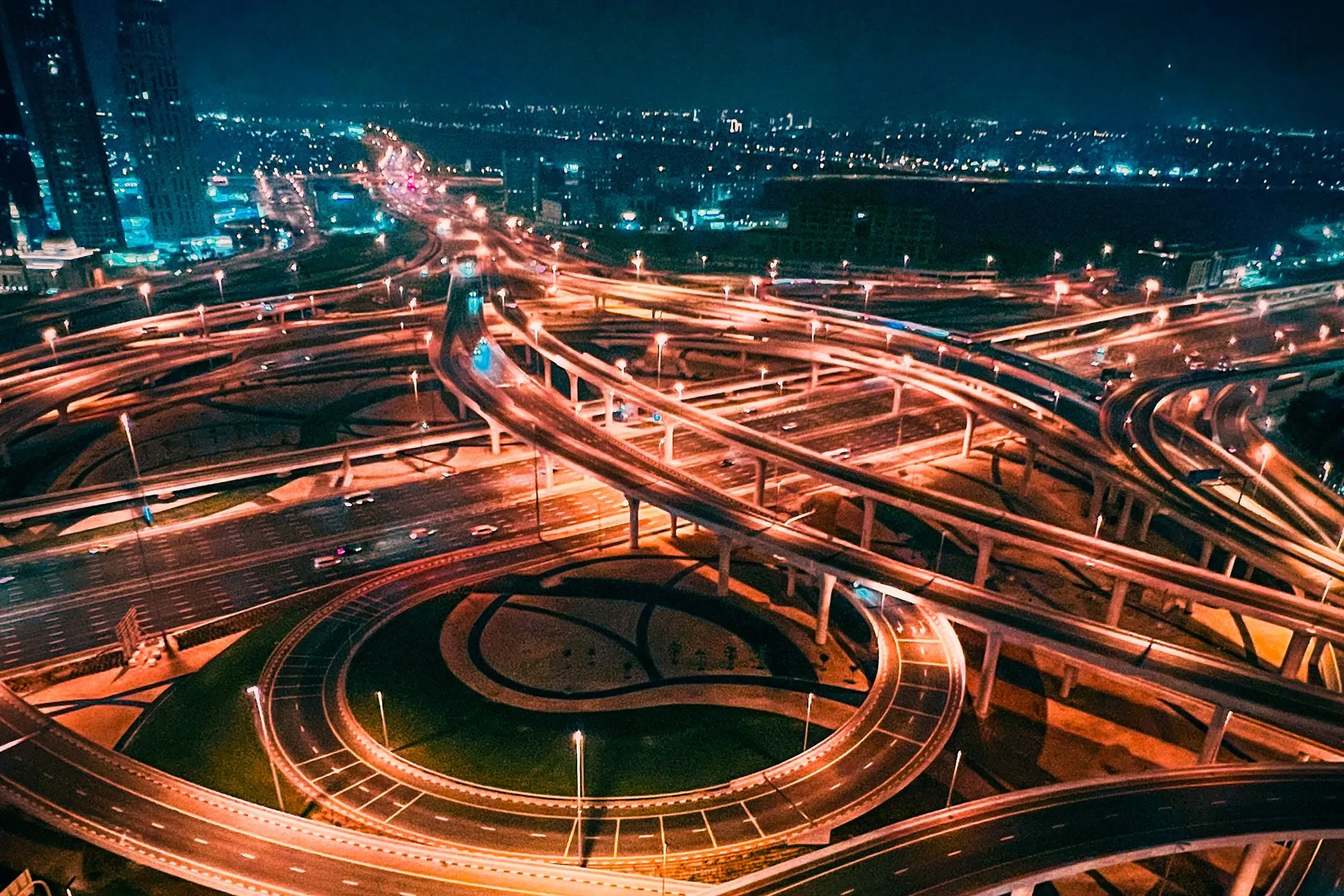
$1.54T
of value digitalisation is projected to add for logistics operators through the next decade of connected, data-led networks.
World Economic Forum, Digital Transformation Initiative, Logistics
AI for transportation & logistics
Fleet telematics, route optimisation, freight visibility and mobility platforms, engineered for operations where a delayed load, an idling truck or a missed slot is measured in money the same day.
What we build into the stack
One data layer under dispatch, drivers and customers, so the answer to “where is it?” comes from the same record everywhere.
Most transport operations do not lack data; they lack one place where telematics, TMS, ELD, WMS and customer systems agree on where a load actually is. We build that layer, then put the decisions on top of it: dispatch, routing, capacity, maintenance and ETA, so planners stop reconciling four screens before making a call.
Every platform we ship is built against the constraints your network really runs on: driver hours, dock windows, cold-chain tolerances, tariffs and fuel. The result is software your dispatchers open at 5am because it is faster than the phone, not because a policy says they must.
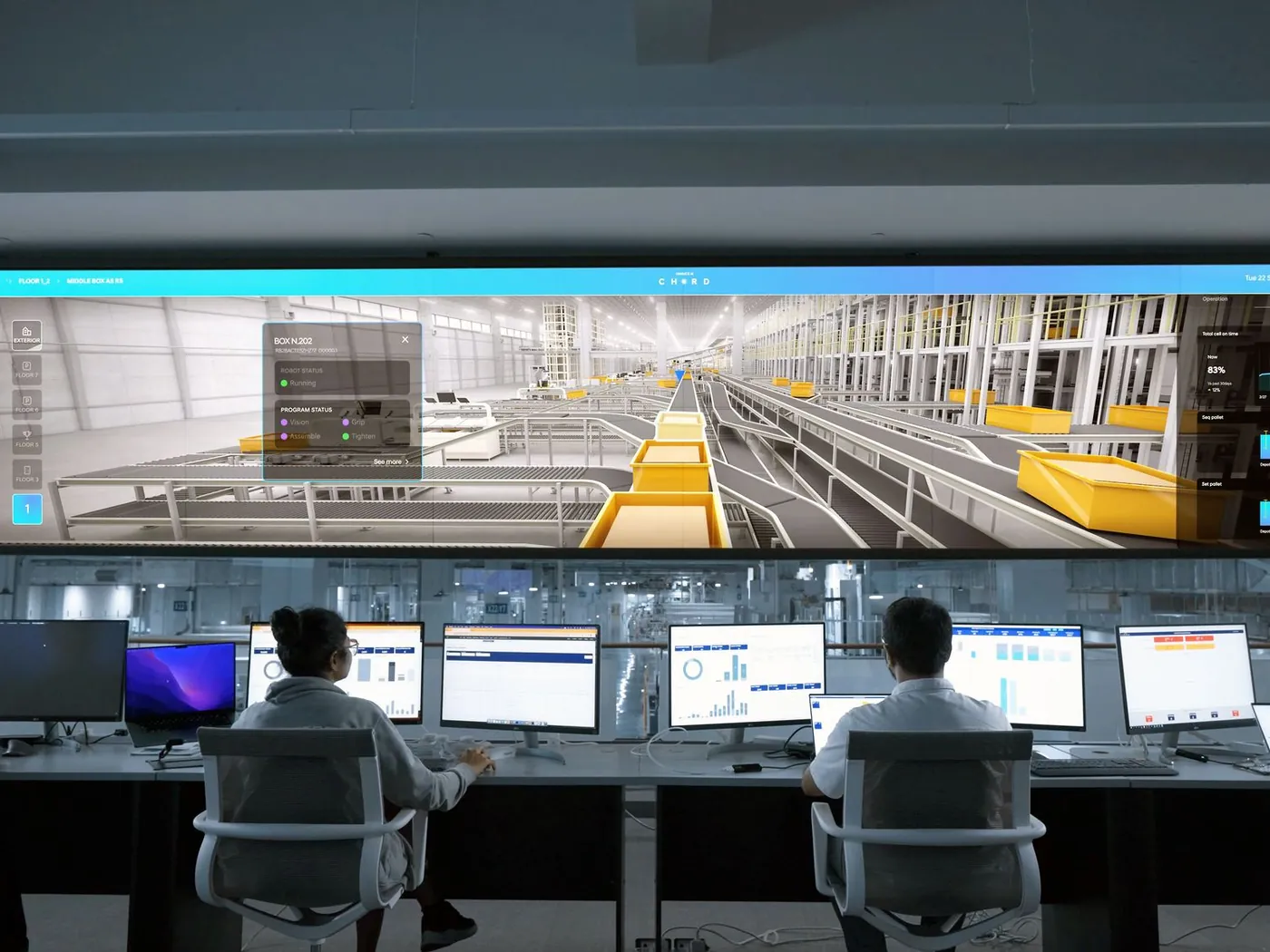
The pressure on transport networks is not theoretical: demand is rising faster than capacity, and the margin sits in the miles, minutes and empty space nobody currently measures. These are the numbers that frame most of the projects we are asked to build.
$1.54T
of value digitalisation is projected to add for logistics operators through the next decade of connected, data-led networks.
World Economic Forum, Digital Transformation Initiative, Logistics
78%
projected growth in last-mile delivery demand across the world's 100 largest cities by 2030.
World Economic Forum, The Future of the Last-Mile Ecosystem
21%
rise in urban congestion by 2030 if delivery growth is absorbed without smarter routing and consolidation.
World Economic Forum, The Future of the Last-Mile Ecosystem
Overcoming key barriers in transport
Telematics says one thing, the carrier portal another, and the customer is asking a third party. We build the tracking layer that reconciles GPS, EDI, ELD and carrier APIs into one shipment record with a single status, so a service call is answered in seconds instead of escalated to a planner.
What transportation solutions do we offer?
From a transport management system that finally reflects how your dispatchers work, to the rider app that has to load on a weak signal at a bus stop: these are the platforms operators ask us for most.
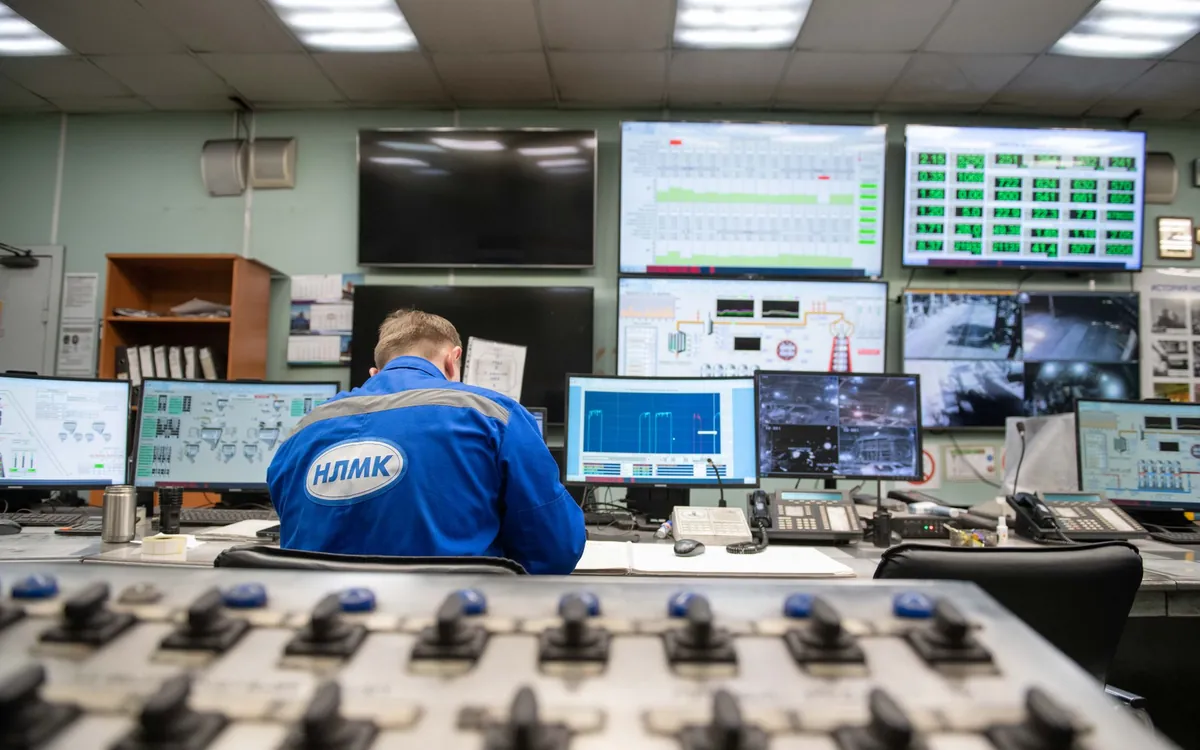
One operating picture for orders, planning, dispatch, carrier selection, rating and settlement. We build TMS platforms around the way your planners actually sequence a day, with automated tendering, live exception handling and the reporting your finance team stops rebuilding in spreadsheets.
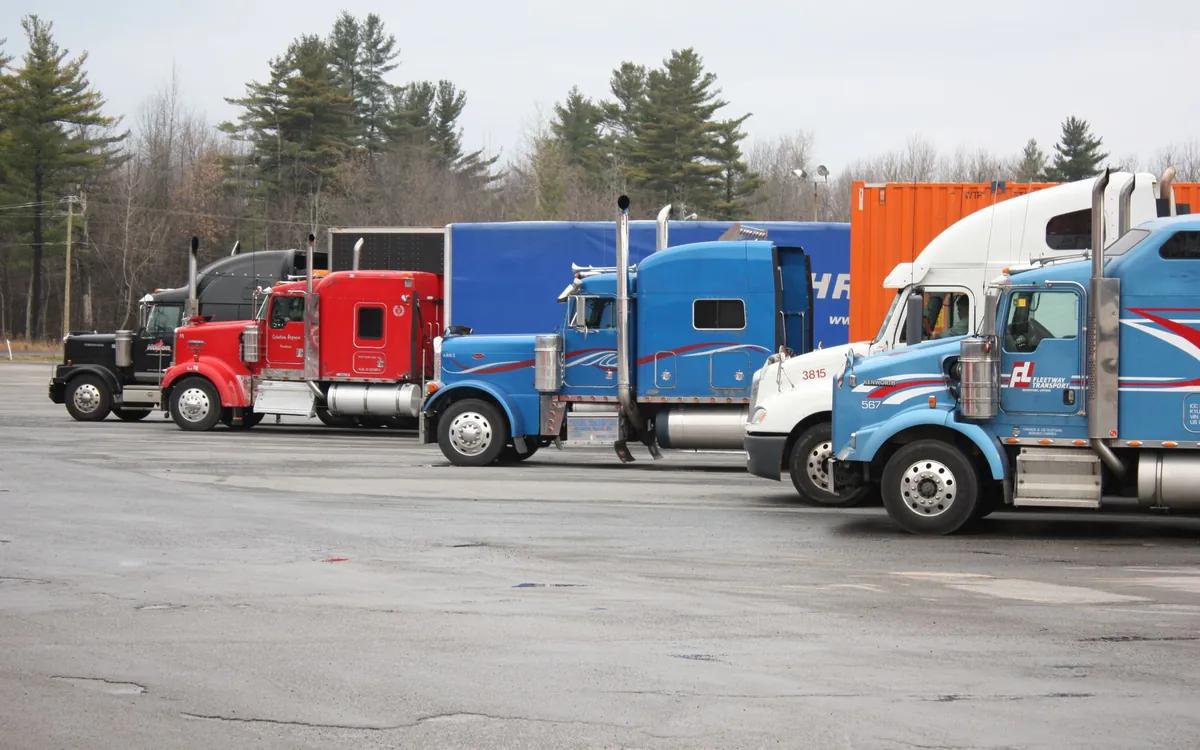
Vehicle health, utilisation, fuel, driver behaviour and compliance in one view. We ingest telematics, CAN bus and ELD feeds, then surface the handful of signals that change a decision today: which asset is idle, which is due, which driver needs coaching, which route is burning fuel.
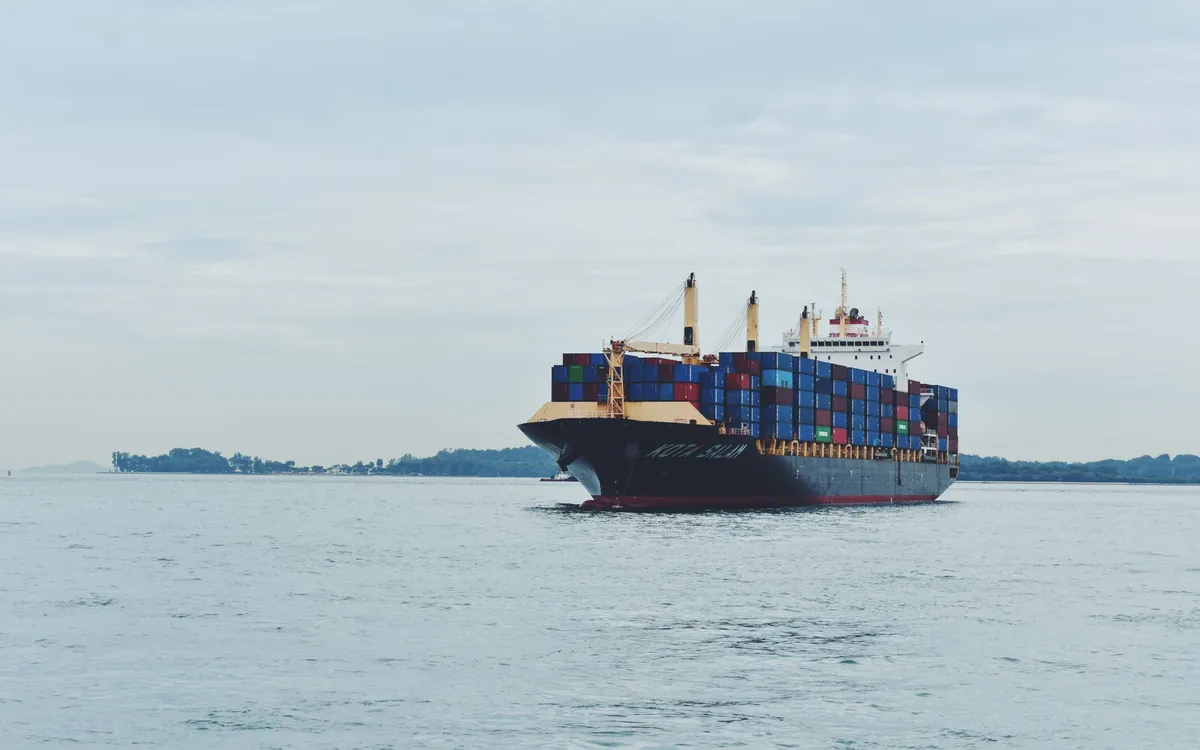
Quoting, capacity sourcing, documentation and multi-modal tracking for forwarders and brokers. Automated rating across lanes and modes, carrier scorecards, margin visibility per load, and customs paperwork generated from the shipment record rather than retyped from it.
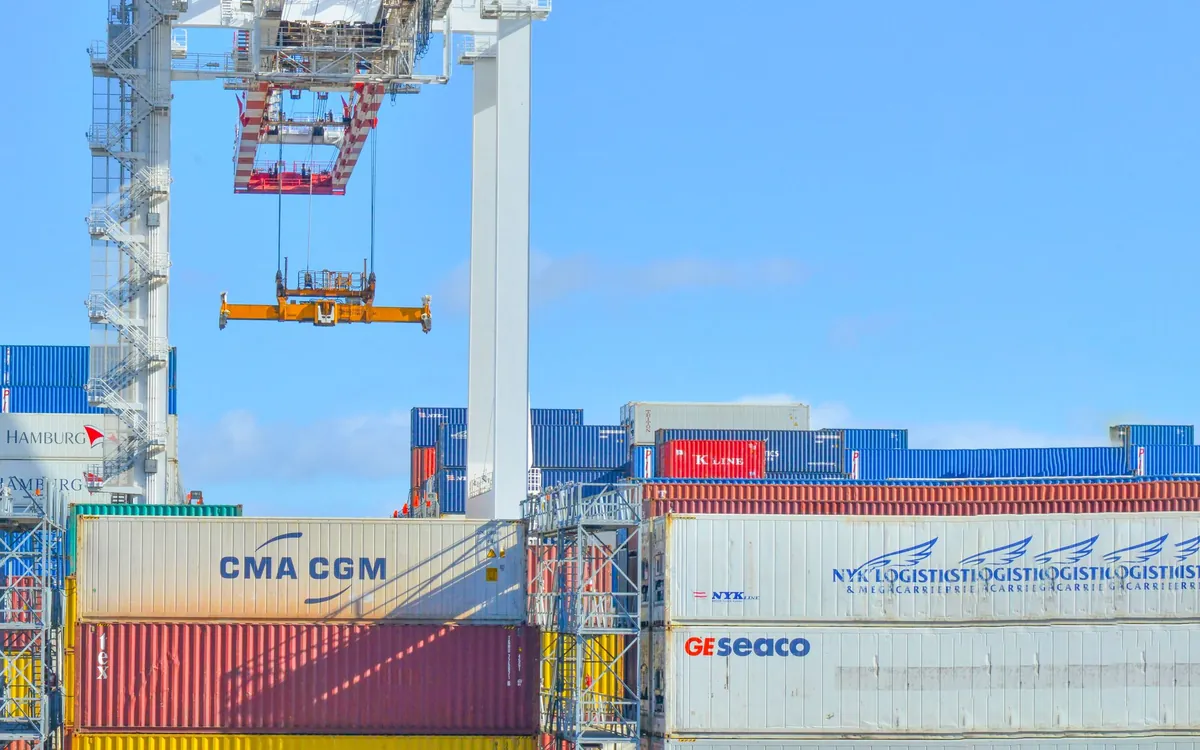
IoT-backed visibility for trailers, containers, reefers, swap bodies and high-value cargo. Geofencing, dwell analytics, tamper and temperature alerting, and a utilisation model that tells you how many assets you genuinely need before you lease more.
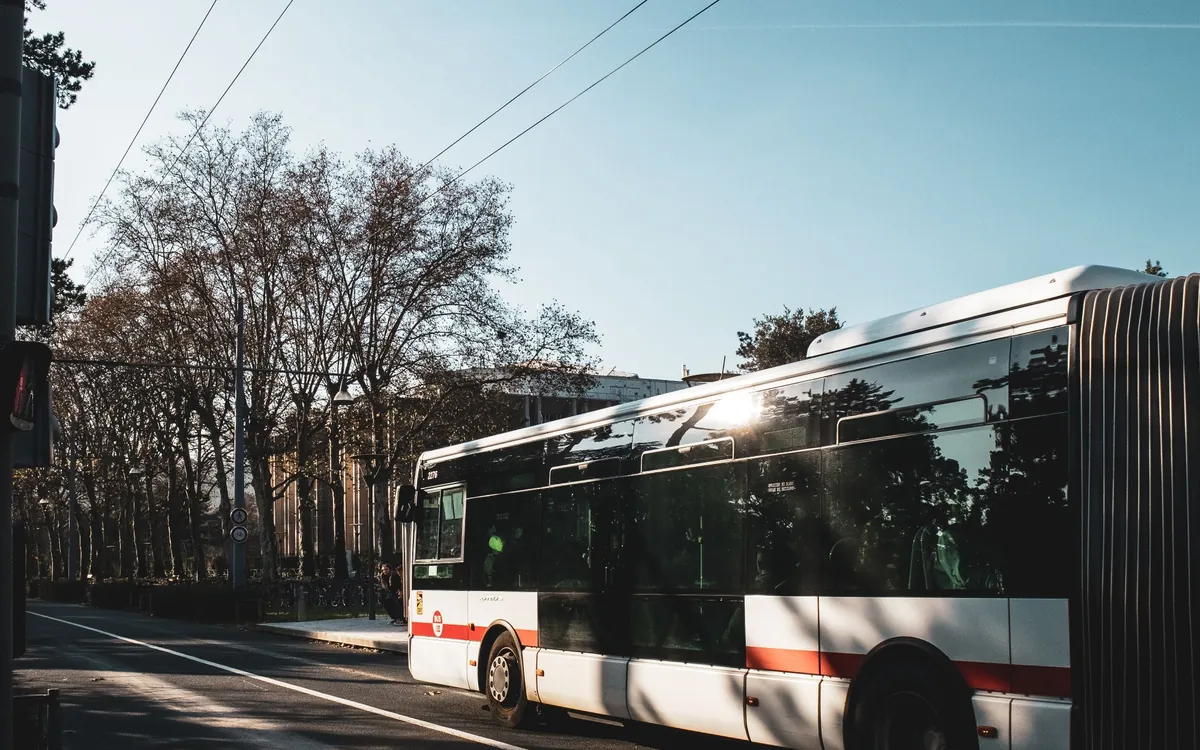
Scheduling, AVL, passenger information, ticketing and demand-responsive services for operators and authorities. Real-time arrival prediction that holds up in traffic, accessible journey planning, and the ridership analytics that justify the next timetable change.
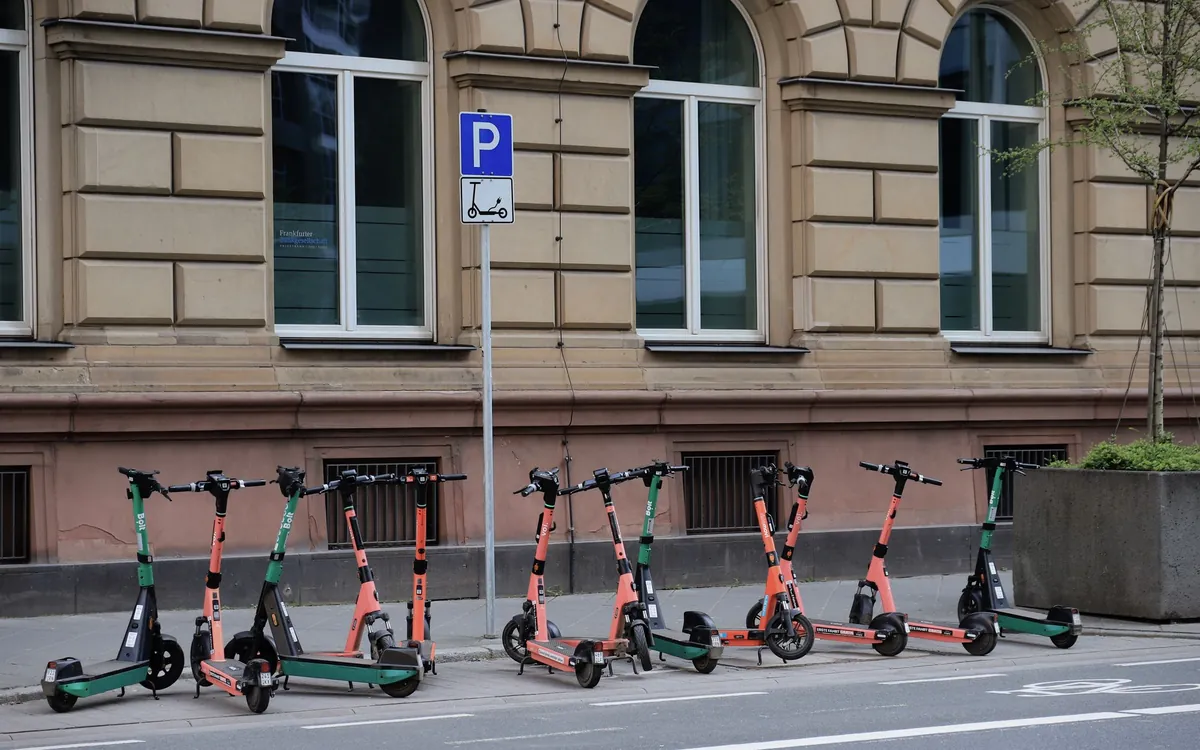
End-to-end platforms for scooter, bike, car and van sharing: onboarding and identity checks, geofenced operating zones, dynamic pricing, battery and rebalancing operations, and the field-ops app the street team uses all day.

Matching, dispatch, surge, driver supply and payments built for the density you actually operate at. We handle the hard parts properly: dispatch latency, fair allocation, fraud and driver earnings transparency. Those are what decide retention on both sides of the market.

Slot management, turnaround tracking, yard and gate optimisation, and ground-handling coordination. We connect the planning system to what is actually happening on the apron or the quay, so a delay is re-sequenced in minutes rather than absorbed across the shift.
These are the transportation solutions we get asked for most. If you have a lane, a terminal or a legacy TMS that nobody wants to touch, that is usually the conversation worth having first.
How we deliver
Five ways we engage, from a scoped pilot on one lane to a multi-year platform partnership across a national network. Every engagement is staged so the first useful capability reaches dispatch early, not at the end.

End-to-end delivery of the platform itself: domain model, services, integrations, interfaces and the release process behind them. We start with the workflow costing your team the most hours, usually planning or exception handling, ship it, and grow the system outward from something already in daily use.
You get working software in weekly increments, with the first usable capability live long before the full scope lands. Nothing is built behind a curtain for a quarter and unveiled at the end, which is how transport projects usually miss a peak season.

A narrow, honest first version that proves the idea against real loads and real drivers before anyone commits a platform budget. We pick the one hypothesis that carries the business case and build only what tests it.
You leave with a working product and a decision, including the version of the decision that says stop. We would rather tell you an idea does not clear the bar in eight weeks than in eighteen months.
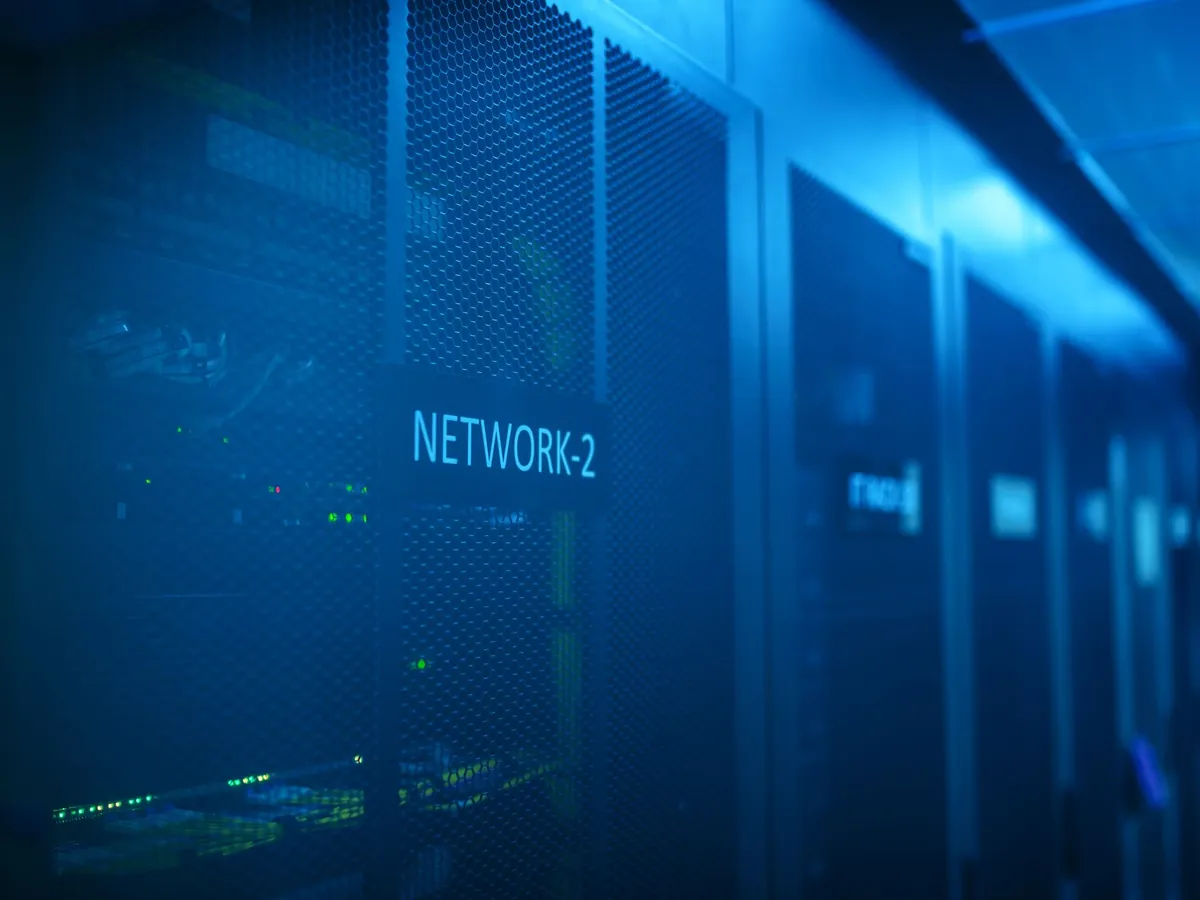
The unglamorous layer that decides whether anything else works: telematics providers, ELD, EDI (204/214/990), TMS and WMS, carrier and customs APIs, payment and fuel-card feeds, all reconciled into one schema with retries, backfill and monitoring.
We build to the failure cases, because in transport the interesting path is the one where a provider goes dark mid-shift. Every feed has a defined behaviour when it degrades, and an alert that reaches a human before a customer does.

Most operators do not start from nothing; they start from a TMS older than half the fleet. We wrap it in a stable API, move capability out module by module, and retire the original only once its replacement has run a full peak.
The work is staged so every step is independently useful and independently reversible. If we stop halfway, you are still better off than when we started. That is the only honest way to modernise a system dispatch depends on.
Which modes do we serve?
The planning, visibility and compliance problems rhyme across modes; the constraints and the data models do not. These are the networks we have shipped against.
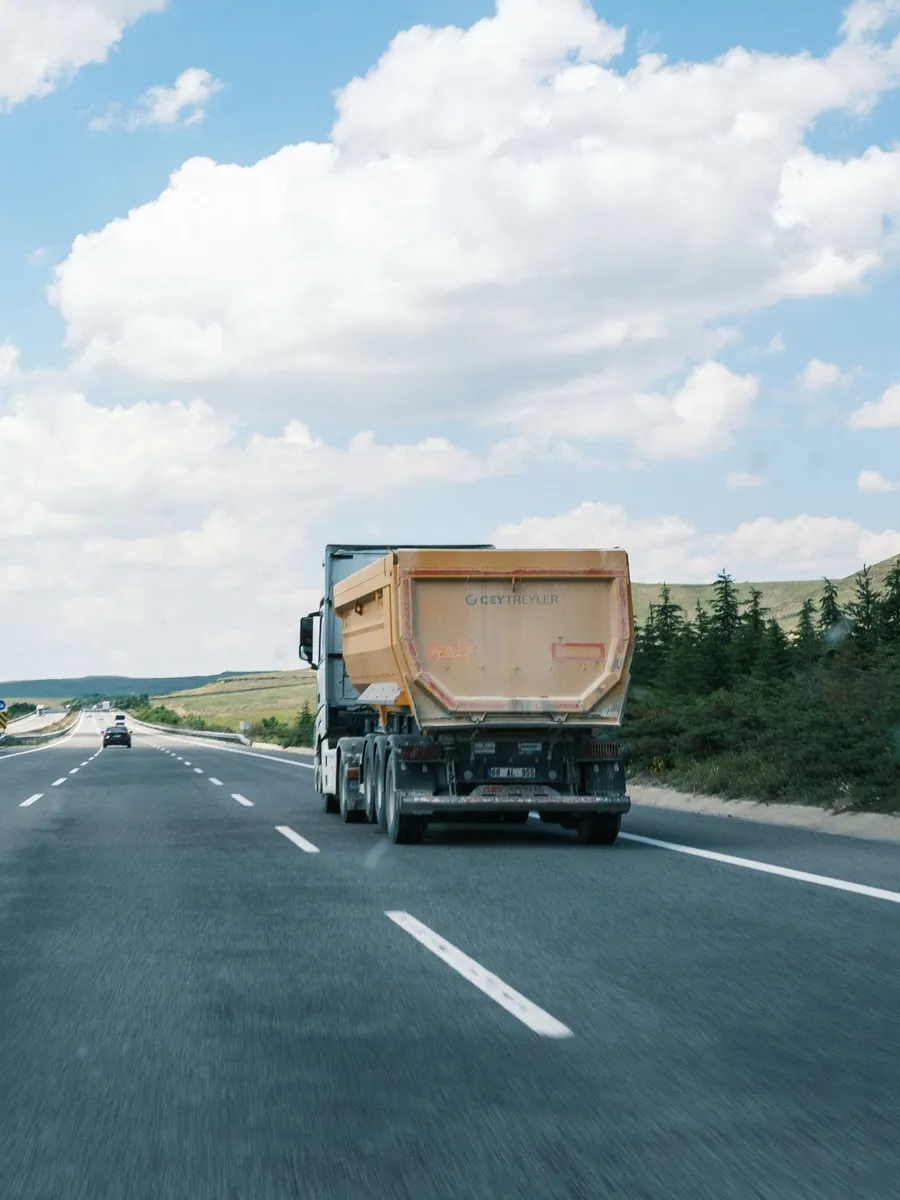
Dispatch, HOS-aware routing and lane profitability.
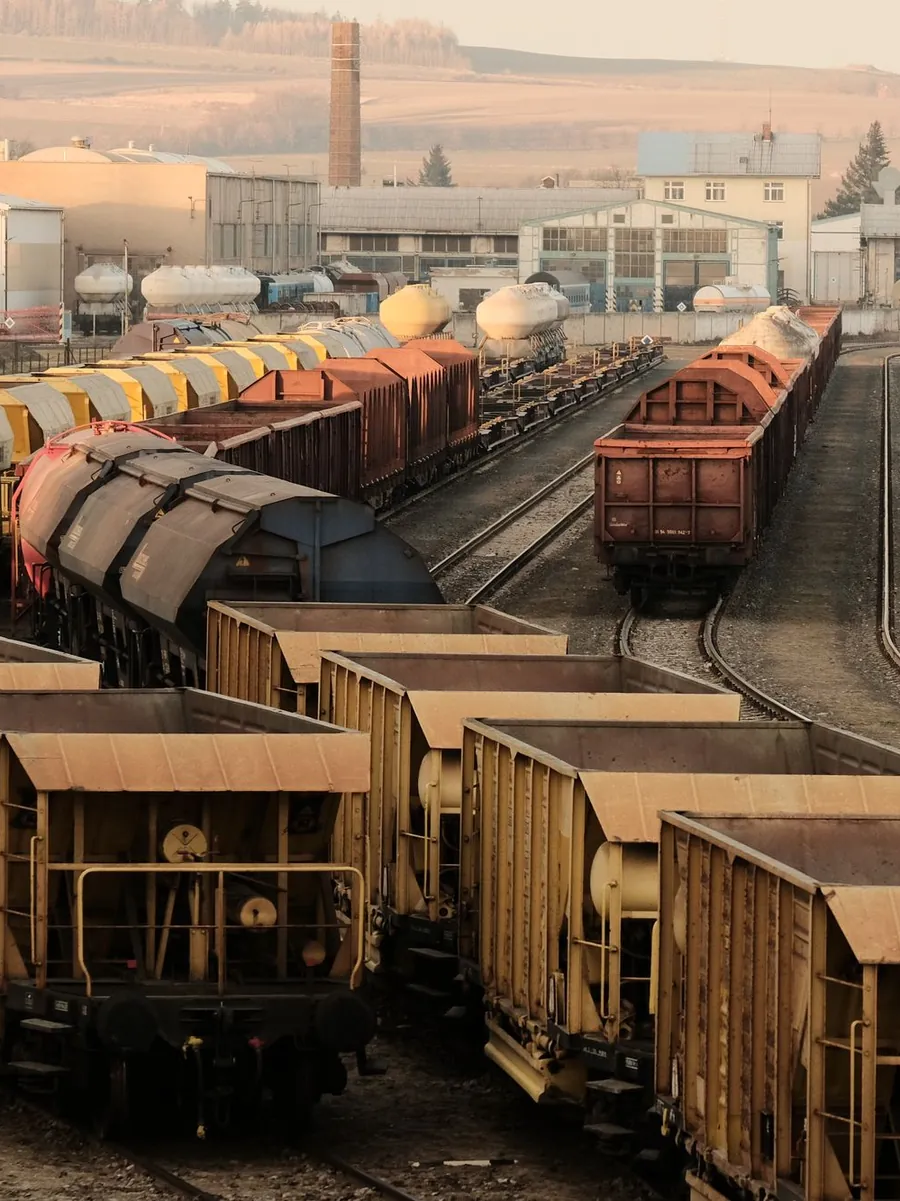
Wagon tracking, yard planning and intermodal handover.
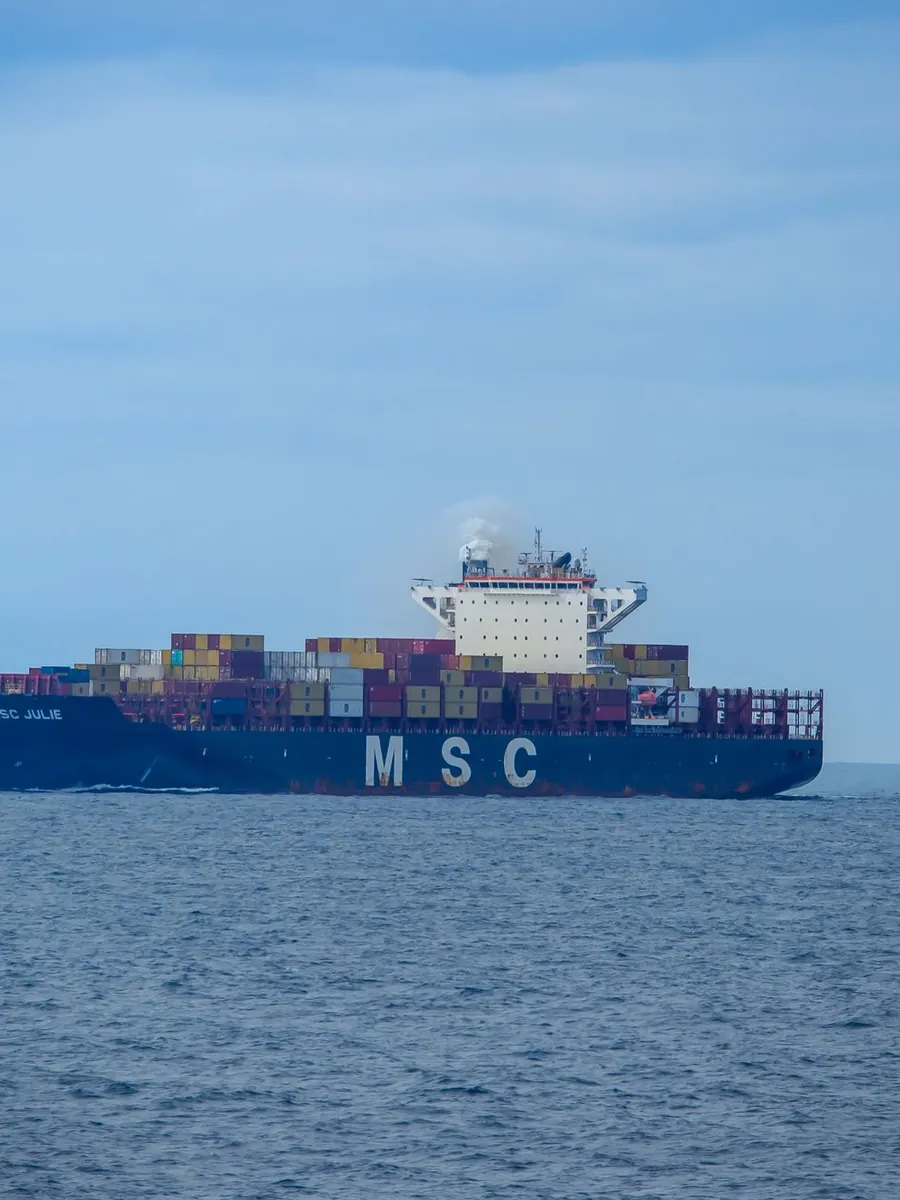
Container visibility, demurrage control and booking flows.
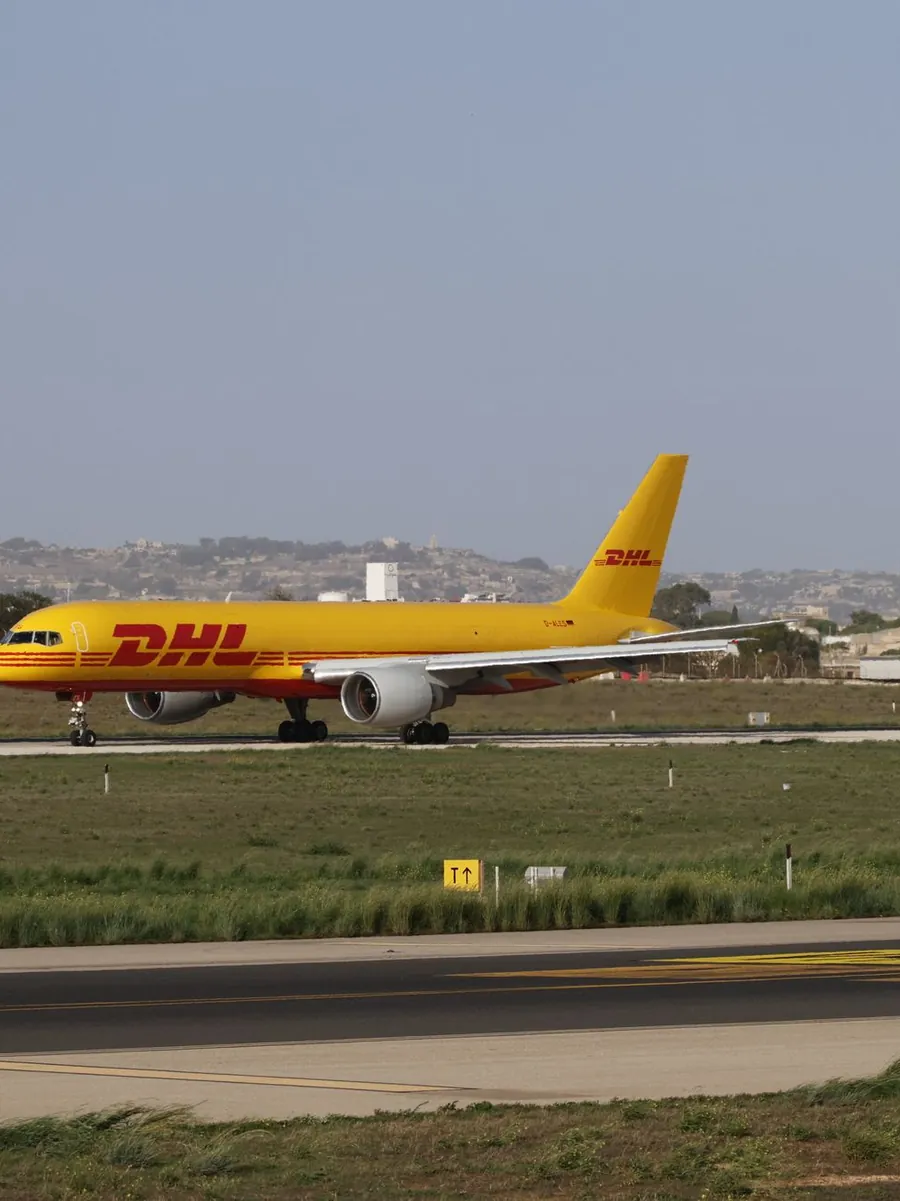
Capacity, ULD tracking and time-definite handling.

Route density, ePOD and live customer ETAs.
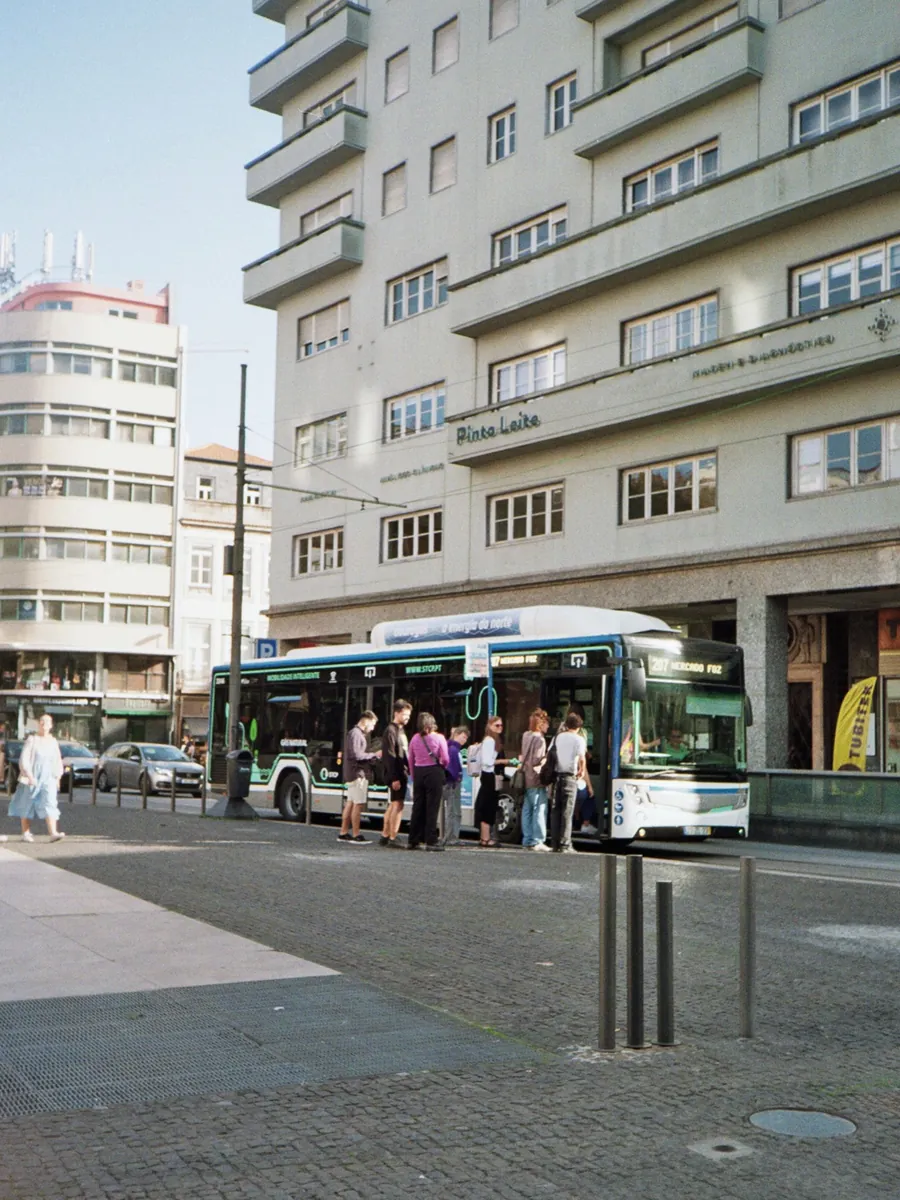
Scheduling, AVL and real-time passenger information.

Matching, dispatch latency and driver supply balance.
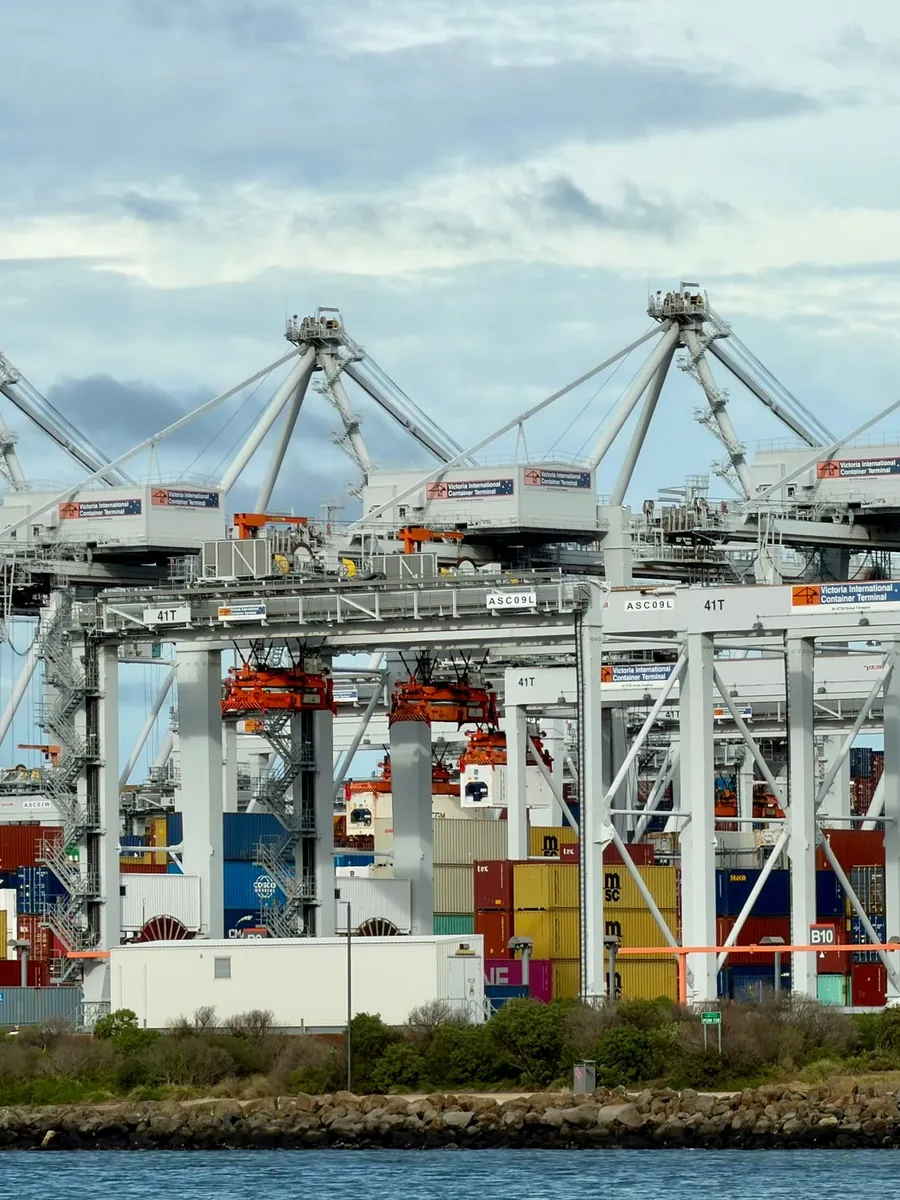
Yard moves, gate flow and quay-side sequencing.
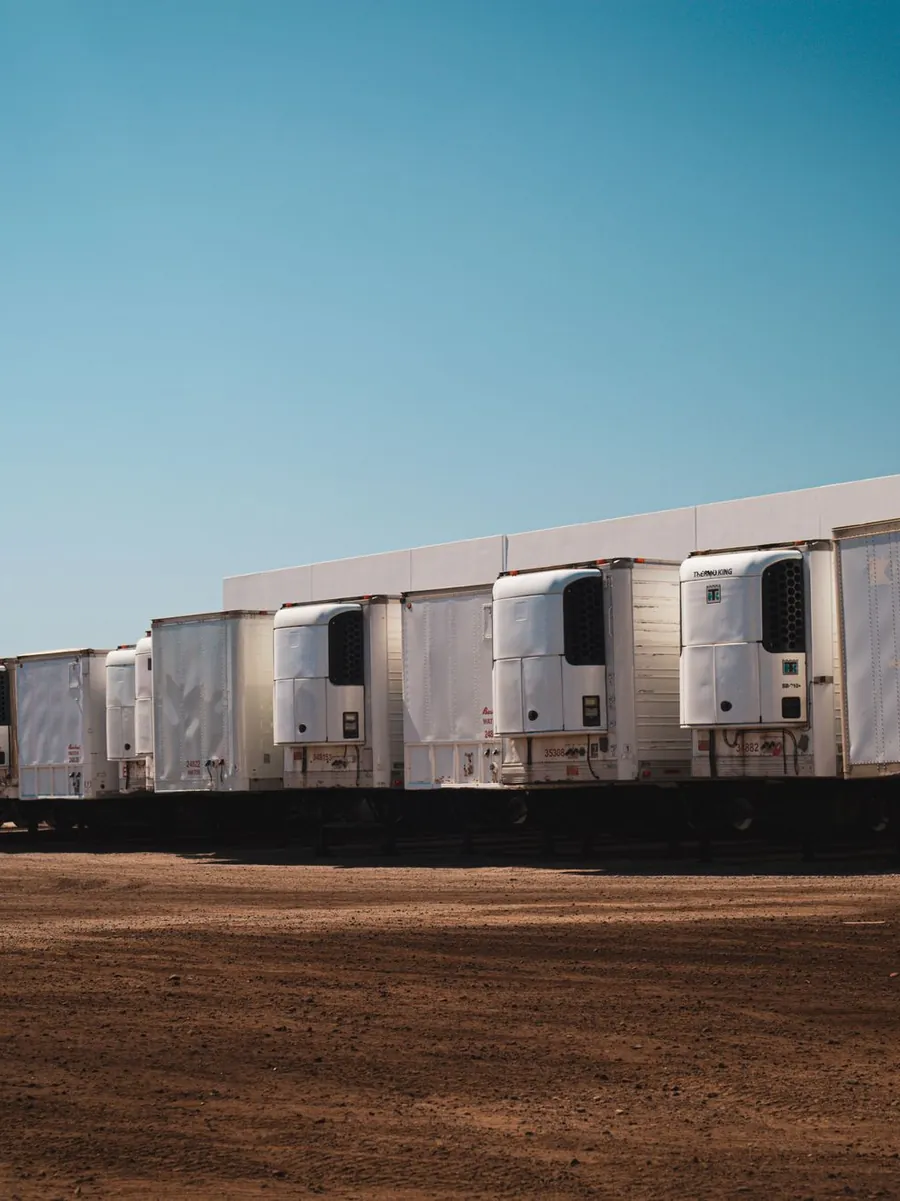
Reefer telemetry, excursion alerting and audit trails.
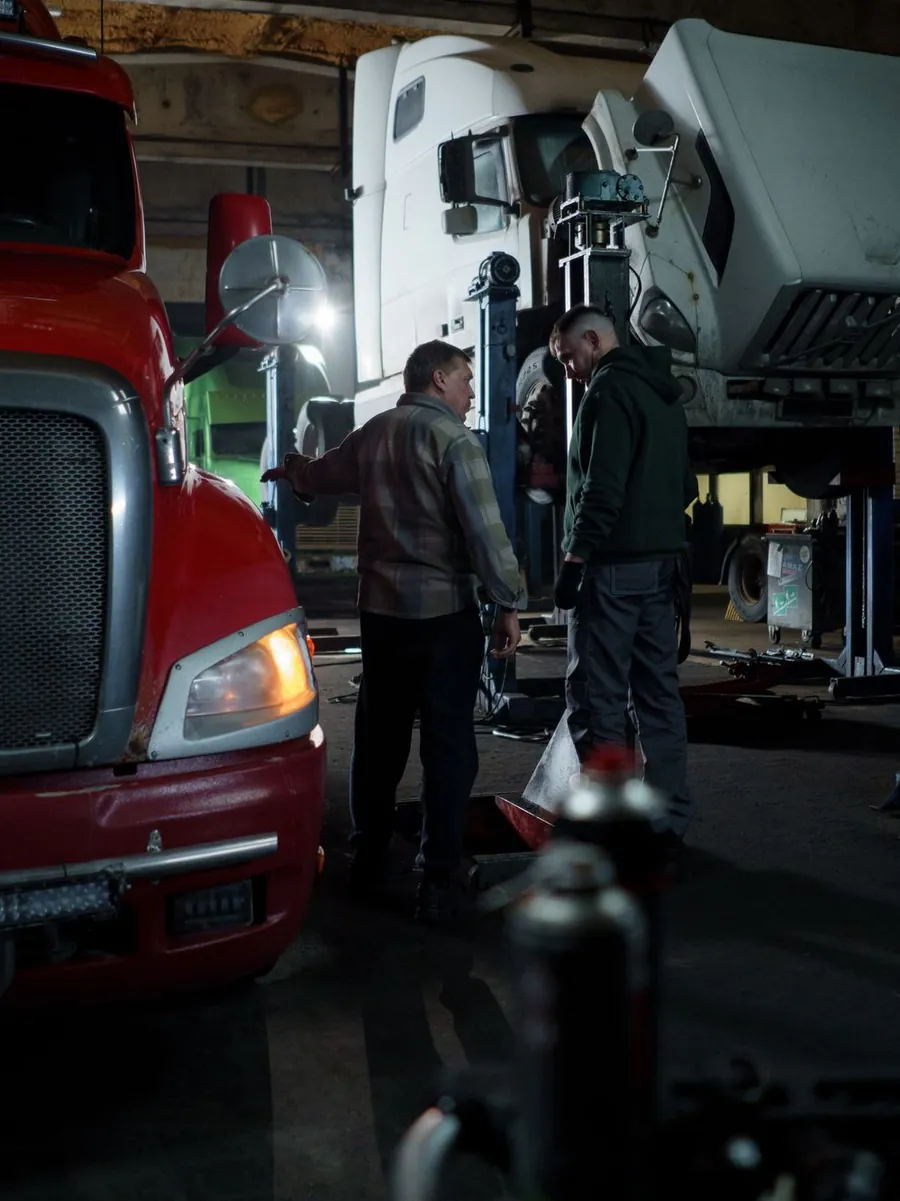
Predictive servicing, parts and workshop scheduling.
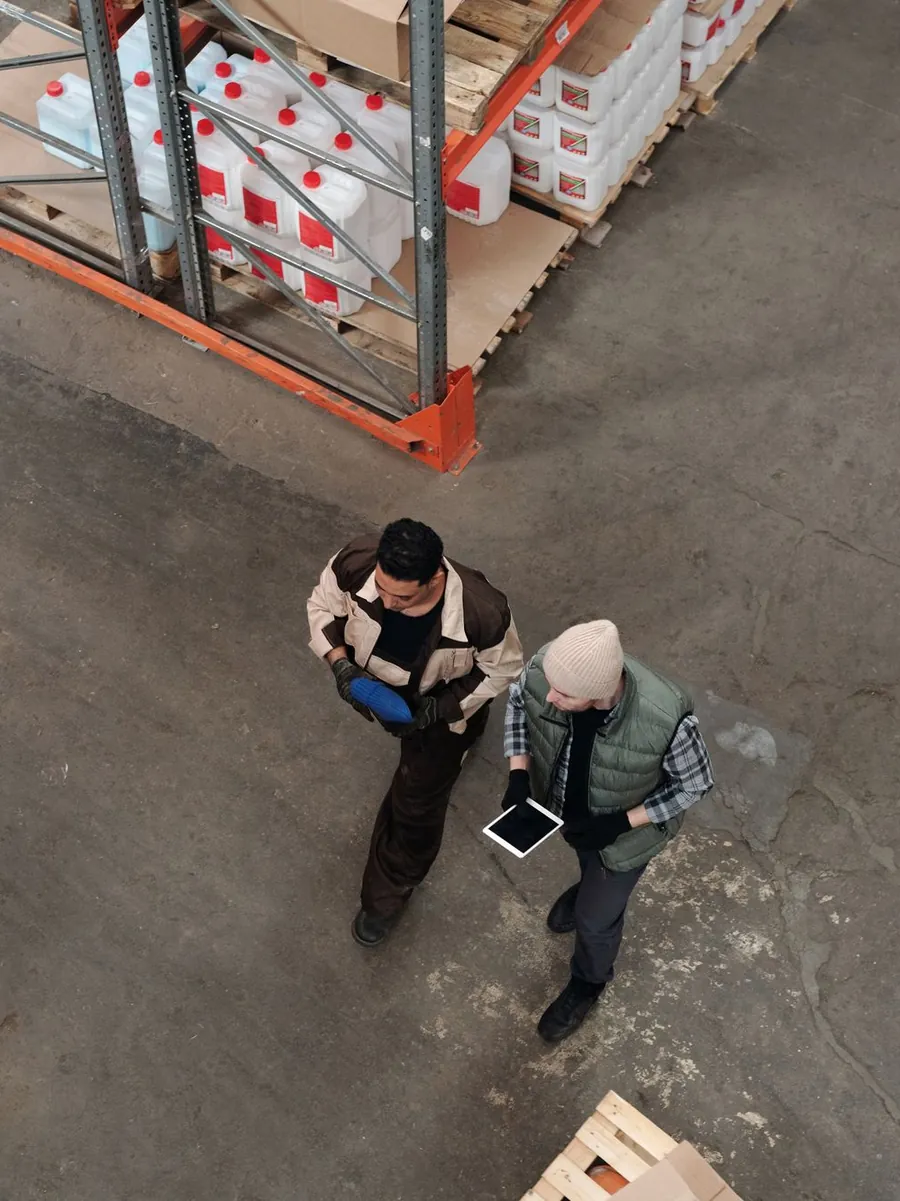
Dock scheduling, yard management and WMS integration.
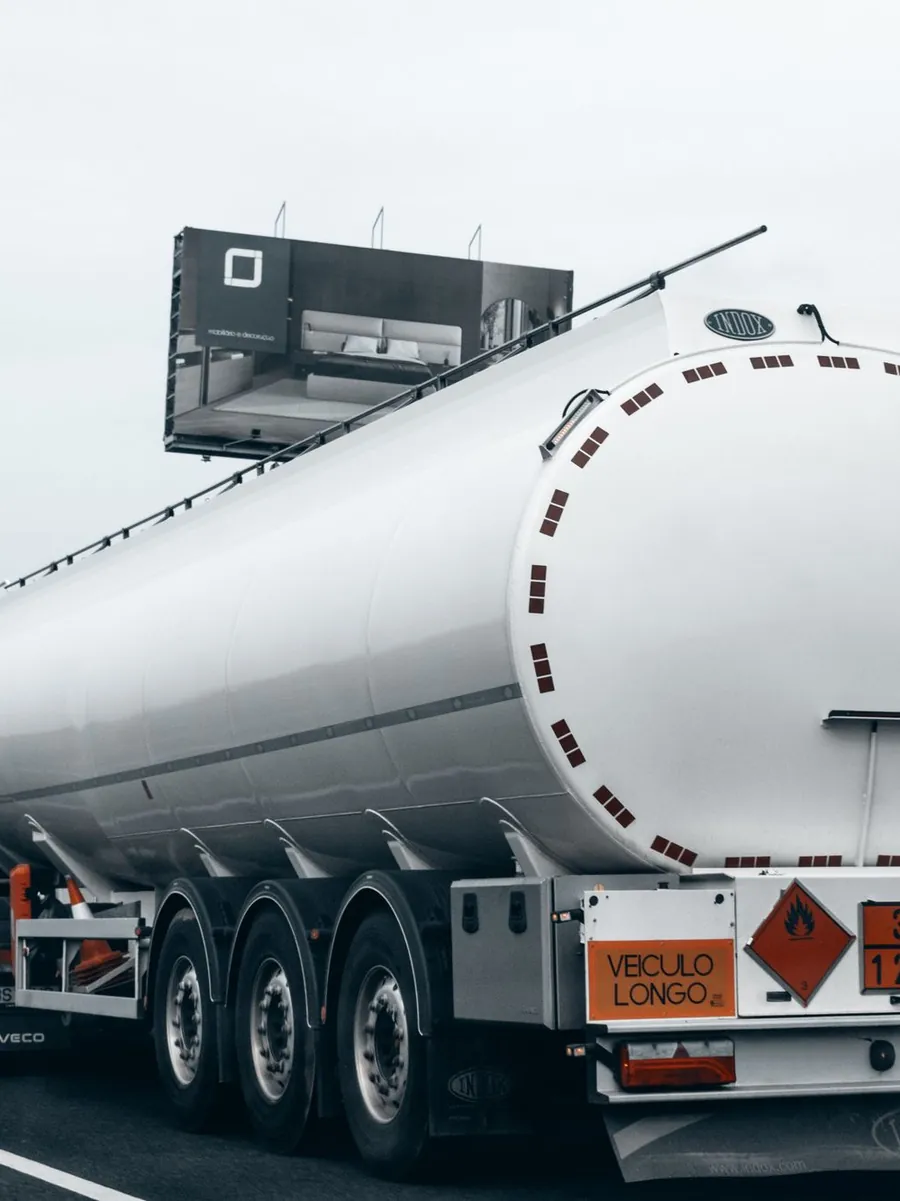
Hazmat compliance, load planning and site telemetry.
What you can optimise with AI-powered transportation software
Continuous route optimisation, load consolidation and backhaul matching attack the three costs that dominate a road network: fuel, empty running and overtime built into a badly sequenced day.
Predictive ETAs built on your own historical performance, not a straight-line average, let you quote windows you hit, and flag the exceptions early enough that a customer hears from you first.
Predictive maintenance and utilisation analytics move work from roadside breakdown to a planned workshop slot, and answer honestly whether the next ten vehicles need to be bought at all.
Hours of service, tachograph, dangerous goods, customs and emissions reporting generated from operational data as it happens, with an audit trail that holds up without a week of retrieval.
Automated tendering, exception-based dispatch and self-service booking mean volume growth stops translating directly into another planner, another phone and another spreadsheet.
Per-shipment CO2e calculated from real distance, load factor and vehicle profile, so sustainability reporting and customer scope-3 requests come from your operational data rather than an estimate.
Bring us the bottleneck, whether that is planning, visibility, maintenance or a customer portal that has stopped scaling. We will scope it honestly, build it in increments your team can use, and tell you which parts are not worth building at all.
Our portfolio
A selection of the platforms and models we have shipped, including the real-time tracking, optimisation and computer-vision work transport operators come to us for.

Virtual Sales & Customer Support Assistant

Patient Intake & Triage AI Agent

Healthcare Chatbot & Virtual Assistant

AI Financial Advisor Assistant

Medical Imaging & Disease Identification

AI Physical Therapy Coach

Readmission Risk Prediction

Regulatory Document Analysis

Customer ID Checks & Onboarding Automation

In-Store AI Shopping Assistant

AI Fraud Detection for Payments

AI-Powered Personalized Marketing

AI Credit Scoring for Lenders
AI Inventory & Demand Forecasting
Smart Pricing for Retail
Technologies we work with
The same production-grade toolchain sits under every transportation platform we ship. Pick a layer to see what it is made of.
Who do we work with?
Dispatch, telematics, maintenance and compliance on shared data, so a growing fleet stops needing a proportional increase in office staff.
Quoting, capacity sourcing, multi-modal tracking and margin visibility per load, with the customer portal that wins the tender rather than the one that survives it.
Scheduling, AVL, ticketing, passenger information and accessibility, plus the ridership analytics that make the next service change defensible in public.
Yard and gate optimisation, terminal operating integrations, and the MVP work that has to prove a market before the next funding round.
Why is it worth working with us?
“Commendable work by the team. They collaborated and communicated in a highly professional manner and delivered exactly what was asked in the desired time frame. Their project management and communication skills are highly appreciable.”
Why is it worth working with us?
Our engineers have shipped against peak season, driver shortages and dock windows. Systems are designed for the 5am shift and the bad-signal cab, which is why staff still use them in month six.
Telematics vendors, ELD, EDI, legacy TMS, WMS and carrier APIs each have their own idea of a schema. We build the layer that reconciles them, modular enough to survive the next vendor change.
Driver hours, tachograph records, hazmat documentation and location data carry real obligations. Consent, retention, residency and access control are set in the first architecture session, with post-launch support for up to 60 days within the agreed scope.
500+
Projects Delivered
170+
Valuable Partnerships
30+
Countries Served
85+
Tech Experts
Recognised & certified










Transportation questions
Transport management systems, fleet management and telematics, freight forwarding and brokerage platforms, asset and container tracking, public transit and mobility platforms, vehicle sharing, ride-hailing dispatch, and terminal operations, plus the driver, rider and field apps that sit on top of them. Most engagements start with one of those and grow into the data layer underneath.
Ready to cut empty miles, keep assets earning and give customers an ETA they trust? Talk to our transportation software engineers.
Get your project done!