Back to portfolio

Healthcare

Solution Blueprint

Representative solution design. Results depend on deployment.

Medical Imaging & Disease Identification

AI that looks at every new scan, marks the areas that may need attention and moves likely problems up the list. Your specialists still read every scan and make every diagnosis.

  • 100%

    Of new scans checked

    Each new scan is looked at by the AI as soon as it arrives, so nothing waits unseen in the queue.

    By design, not a measured result
  • 1st

    Likely problems read first

    Scans that may show a problem move to the front of the list, ahead of routine ones.

    By design, not a measured result
  • 0

    Diagnoses made by the AI

    The AI only flags and sorts. A qualified specialist reads every scan and writes every report.

    By design, not a measured result

Key details

AI that checks medical scans, points out areas that may need a closer look and puts likely problems first.

Challenge
More scans arrive every day than specialists can review, and urgent cases wait in the same line as routine ones.
Solution
AI that flags scans that may show a problem, shows where it looked and how sure it is, and moves those scans up the list for a specialist.
Technologies & tools
AI trained to recognize signs of disease in medical images, secure image handling, and links to the systems your imaging team already uses. Full details are in the technical section below.

In short

Axiomra designed an AI tool that helps imaging teams decide which scans to look at first. It checks each new scan, highlights areas that may need attention and moves likely problems up the list.

The AI never makes a diagnosis. Qualified specialists read every scan and write every report.
A typical situation

A diagnostic provider handles a growing number of scans every week. The team wanted a faster way to spot the scans most likely to show a problem, so those patients are seen sooner.

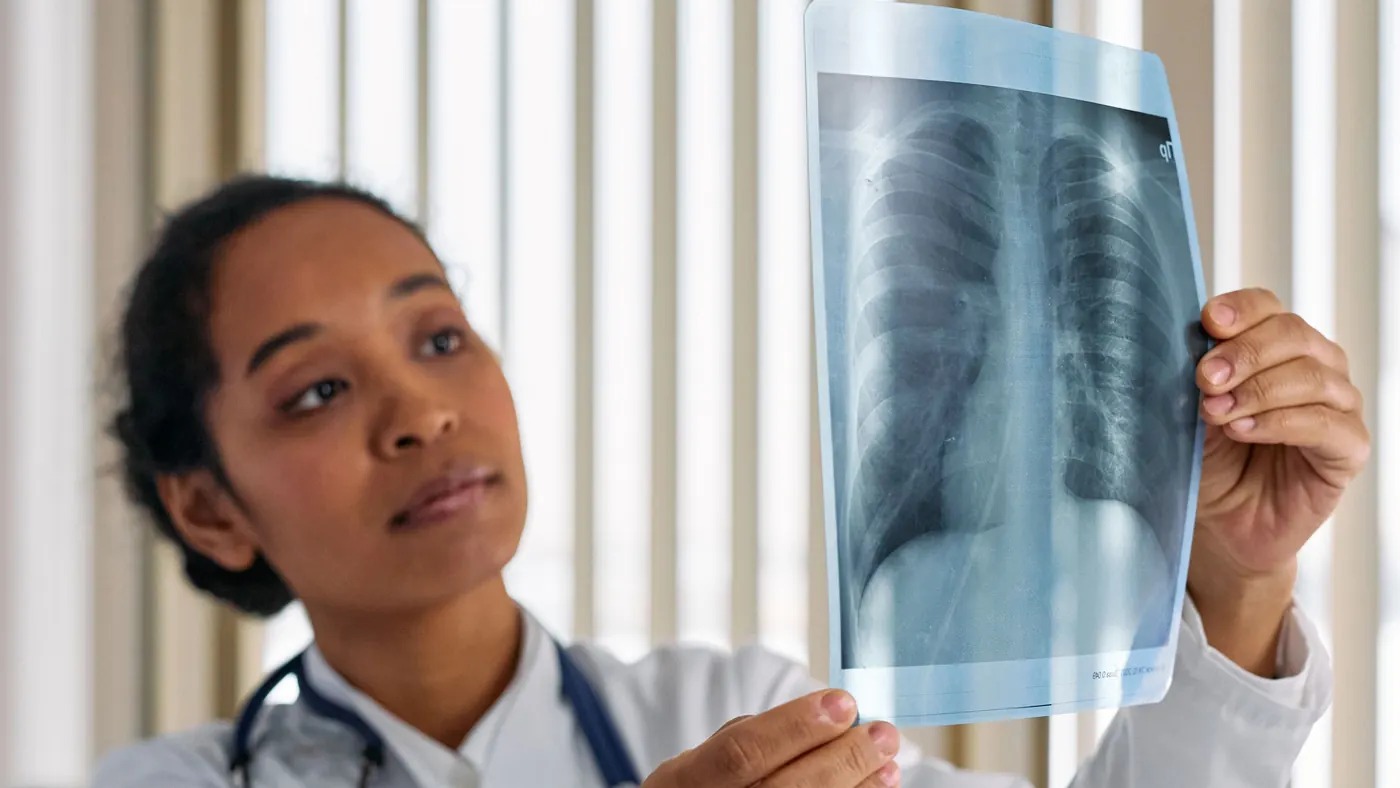
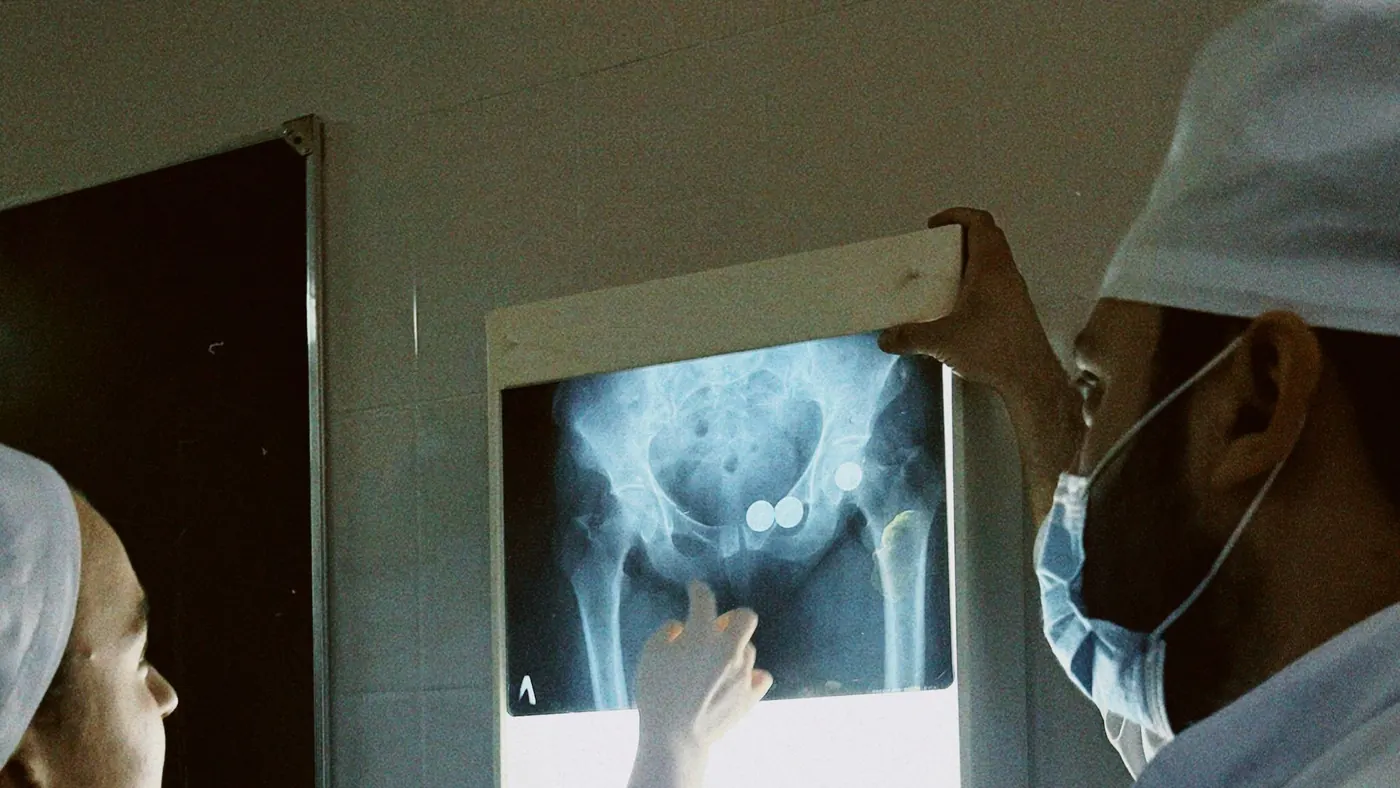
Two doctors in masks studying a hip X-ray on a lit viewing screen
Photo: Maryam Kamavova / Pexels

The problem

  • More scans than specialists. The number of scans was growing faster than the team's time to review them.
  • Urgent cases waited in line. A scan with a serious problem could sit in the same queue as routine checks.
  • Hours of repeat screening. Specialists spent a lot of time on a first look at every image before the detailed reading.
  • Trust had to be earned. Any AI help had to show its reasons and how sure it was. A specialist had to check its results.

What we built

  • We gathered example scans, checked their quality and had them labeled. Then we trained the AI to spot signs of the chosen conditions on that type of scan.
  • For each scan, the AI gives a flag, a score for how sure it is and a highlight showing where it looked.
  • Flagged scans move up the review list, based on limits your team sets. The AI never diagnoses a patient on its own.
  • After launch, we keep watching how accurate it is. That includes missed problems, false alarms and changes between machines or sites.

How it works, step by step

  1. 1

    Scans arrive safely

    New scans and their basic details are received in a secure way.

  2. 2

    Every scan is prepared the same way

    Images are put into one standard format, so the AI sees them all in the same way.

  3. 3

    The AI checks the scan

    It looks for signs of the conditions it was trained to find.

  4. 4

    It shows what it found

    It gives a score, marks the area of concern and says how sure it is.

  5. 5

    Human checkpoint

    A specialist reviews it first

    Flagged scans move to the top of the list. A specialist reads them and makes the diagnosis.

  6. 6

    Feedback keeps it accurate

    Specialists' decisions are recorded, so the AI can be checked and improved over time.

What changes for your team

What this setup is designed to change:

  • Scans that may show a problem are reviewed sooner.
  • Less repeat screening work for your specialists.
  • A steady second pair of eyes, with a clear record of what the AI found and how sure it was.
  • A clearer view of the review queue and how the AI is performing.

How we keep it safe and reliable

  • People stay in charge

    Specialists make the final call on every diagnosis, and always when the AI is unsure or the case is unclear.

  • Security built in from day one

    Only the right people can see scans, every action is recorded, and privacy is planned in from the start, not added after launch.

  • Judged on real results

    We measure how accurate the AI is and how much faster your team works. The goal is quicker care, not just a smarter AI.

  • Watched after launch

    Once live, the AI is monitored and specialist feedback is collected. Careful updates keep it accurate as scans and machines change.

Why Axiomra

Axiomra brings together AI, data, systems integration and ongoing oversight. That turns this idea into a working tool that fits your existing imaging systems and the way your specialists work.

TagsHealthcareMedical ImagingComputer VisionScan PrioritizationSpecialist Review
Under the hood (for technical teams)

Technical steps

  1. 01Secure ingestion of medical images and DICOM metadata
  2. 02Image standardization and preprocessing
  3. 03Computer-vision model inference
  4. 04Probability, localization and confidence outputs
  5. 05Threshold-based prioritization of flagged studies in the specialist worklist
  6. 06Clinician feedback capture for monitoring and retraining

Tools & technology

Technology stack by layer
LayerTechnology / Approach
Computer visionPyTorch / TensorFlow, CNN or vision-transformer models
ImagingDICOM processing, OpenCV / MONAI
DeploymentGPU inference endpoint, Docker, cloud or on-prem deployment
IntegrationPACS / RIS / clinical worklist APIs
MLOpsModel registry, performance monitoring, audit logging

More case studies

Is your imaging team falling behind the queue?

Tell us which scans you handle and how your team reviews them today. We will show where AI can help sort the queue, and where your specialists stay in charge.

Talk to our team