Back to portfolio

Retail

Solution Blueprint

Representative solution design. Results depend on deployment.

Smart Pricing for Retail

A system that suggests the right price for each product, in each store, as demand and competitors change. Your pricing team approves the changes that matter.

  • Every store

    Prices that fit local demand

    Each product can get its own price in each store, instead of one rule for everywhere.

    By design, not a measured result
  • Your rules

    Always respected

    No suggestion goes below your minimum profit or breaks your pricing policies.

    By design, not a measured result
  • Your team

    Approves what matters

    Pricing managers approve, change or reject suggestions. Only small, low-risk changes can run on their own.

    By design, not a measured result

Key details

A system that suggests better prices for each product and store, within your rules.

Challenge
Prices were reviewed by hand, too slowly, and blanket discounts gave away profit.
Solution
Price suggestions based on demand, stock and competitor prices, each with its expected result, for your team to approve.
Technologies & tools
A system that learns from your past sales and prices, a rule checker your team controls, and links to your till, online store and pricing systems. Full details are in the technical section below.

In short

Axiomra designed a pricing system for retailers. It looks at demand, stock levels, competitor prices and how new or old each product is.

It then suggests price changes for each product, or for each store. Every suggestion stays within your profit and pricing rules.

A typical situation

A retailer sells products where prices, demand and stock levels change often. Competitors change their prices often too.

Its pricing team could not keep up by hand, and wanted a faster and more consistent way to set prices.

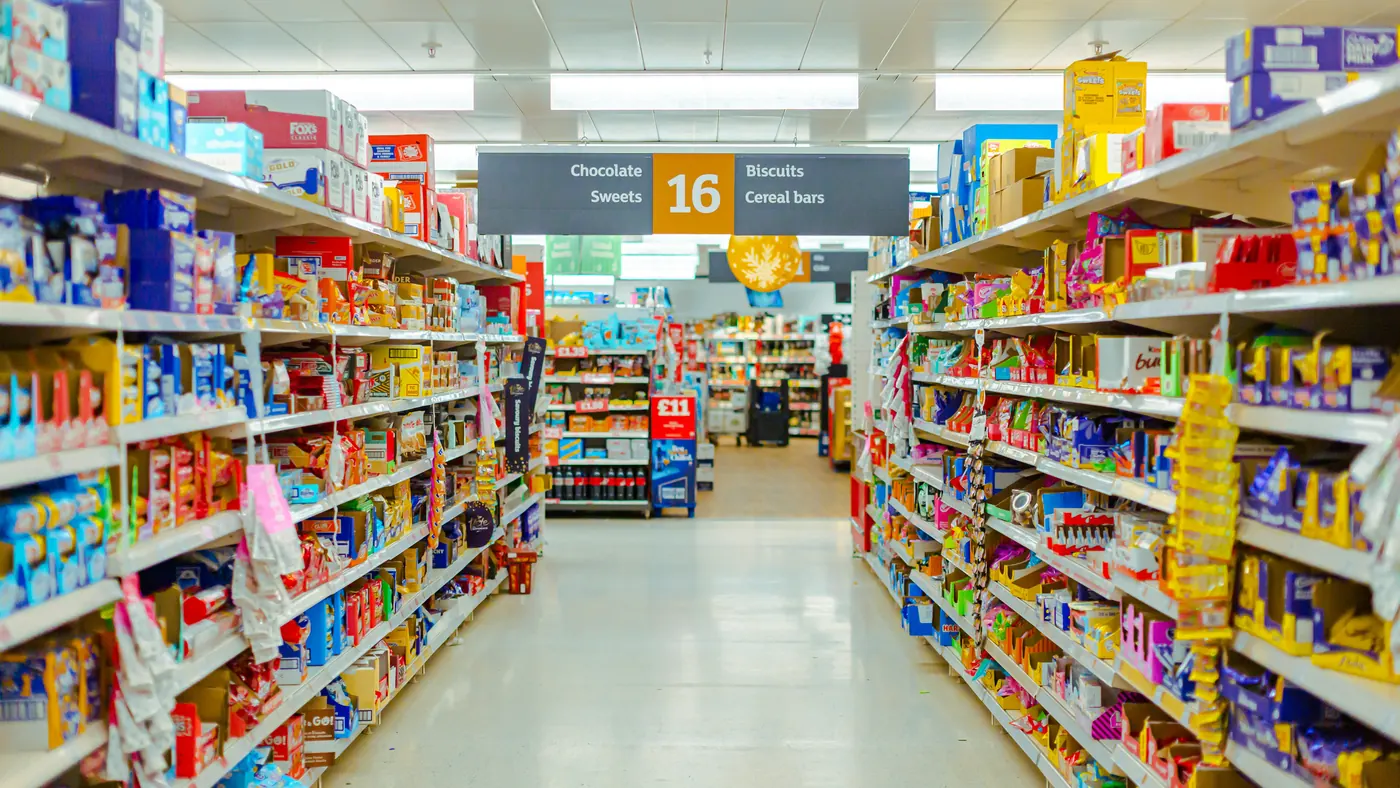
A long, brightly lit supermarket aisle with packed shelves on both sides
Photo: Jack Lee / Unsplash

The problem

  • Price reviews took too long. Checking prices by hand was too slow for products whose demand changes quickly.
  • Blanket discounts cost money. One discount rule for every store cut profit. It ignored local demand and how much stock was left.
  • No consistent way to decide. The team had no reliable way to see how shoppers react to a price change, or what competitors were doing.
  • Rules must never be broken. Every price had to follow the company's own pricing rules and the law.

What we built

  • The system learns from your past prices, promotions, sales and stock. It works out how much each price change moves sales.
  • For each product, it tests possible prices against your minimum profit, your pricing policies, competitor prices, how long stock has been sitting and how fast you need to sell it.
  • Each suggestion shows its expected result and how sure the system is. Pricing managers can approve it, change it, or let small, low-risk changes happen on their own.
  • Controlled tests compare stores or products with and without the new prices. That shows the real gain in profit, sales and stock sold.

How it works, step by step

  1. 1

    Collect the facts

    Sales, prices, stock levels and competitor prices are gathered from your systems.

  2. 2

    Understand demand

    The system works out how shoppers react to price changes, and where each product is in its life.

  3. 3

    List the allowed prices

    Only prices that follow your rules are considered.

  4. 4

    Pick the best price

    It chooses the price that best balances profit and clearing stock.

  5. 5

    Human checkpoint

    Your team approves

    The suggestion goes to a pricing manager, or updates on its own if it is small and low-risk.

  6. 6

    Measure and improve

    Real results are measured, and the system adjusts so it keeps getting better.

What changes for your team

What this setup is designed to change:

  • Your prices react faster when demand or competitor prices change.
  • A better balance between selling stock, total sales and profit.
  • Targeted discounts where they help, instead of broad price cuts everywhere.
  • Every price suggestion is recorded and follows your rules, so it can be checked later.

How we keep it safe and reliable

  • People stay in charge

    Your team makes the final call on big, regulated or unclear price changes, and whenever the system is unsure.

  • Security built in from day one

    Only the right people can see data, every action is recorded, and privacy is planned in from the start, not added after launch.

  • Judged on real results

    We measure how accurate the system is and how it changes profit and sales. The goal is a better business, not just a smarter system.

  • Watched after launch

    Once live, the system is monitored and feedback is collected. Careful updates keep it accurate as shoppers and markets change.

Why Axiomra

Axiomra brings together AI, data, systems integration and ongoing oversight. That turns this idea into a working tool that fits your existing systems and the way your pricing team makes decisions.

TagsRetailPredictive AnalyticsPricingSmarter DiscountsTeam Approval
Under the hood (for technical teams)

Tools & technology

Technology stack by layer
LayerTechnology / Approach
Machine learningPrice elasticity models, gradient boosting, causal testing
OptimizationConstraint-based price optimizer
DataPython, SQL, retail data warehouse
IntegrationsPOS, e-commerce, pricing and competitor-data APIs
AnalyticsRevenue, margin, sell-through and A/B test dashboards

More case studies

Want prices that keep up with your market?

Tell us how your team sets prices and discounts today. We will show where smarter pricing can help, and where your team stays in charge.

Talk to our team